


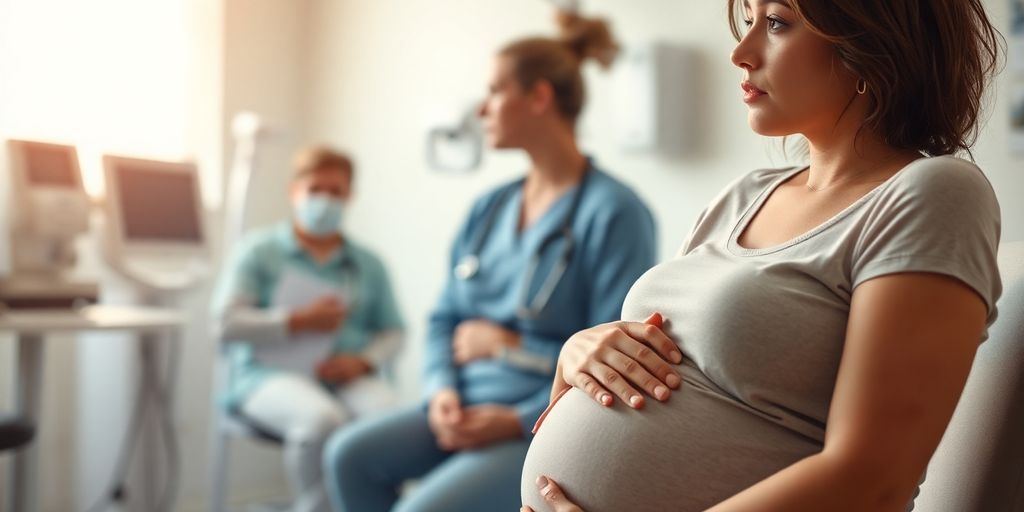
Maternal infections can really mess with a pregnancy, and it’s important to know what’s out there. These infections can be caused by different types of pathogens, each with its own way of affecting the mother and the developing baby. It’s not just about feeling sick; these infections can sometimes lead to serious complications during pregnancy and delivery. Let’s break down the main types:
Bacterial Infections
Bacterial infections are pretty common during pregnancy. Things like Group B Streptococcus (GBS) are a big concern because they can be passed to the baby during birth. GBS can cause serious illness in newborns, so screening is super important. Other bacterial infections include:
- Urinary tract infections (UTIs): These are common due to hormonal changes and can lead to kidney infections if not treated.
- Bacterial vaginosis (BV): This can increase the risk of preterm labor.
- Chorioamnionitis: An infection of the amniotic sac, which can be very dangerous for both mom and baby. If a birth injury occurs, it’s important to seek legal guidance.
Viral Infections
Viral infections can also pose risks during pregnancy. Some viruses, like Zika, can have devastating effects on the developing fetus. Other viral infections to watch out for include:
- Cytomegalovirus (CMV): Often asymptomatic in adults but can cause serious birth defects.
- Rubella (German measles): Can lead to congenital rubella syndrome, causing heart problems, hearing loss, and developmental delays.
- Varicella (chickenpox): If contracted during pregnancy, it can cause congenital varicella syndrome.
Parasitic Infections
Parasitic infections are less common but still important to consider. Toxoplasmosis, for example, is a parasitic infection that can be contracted from contaminated food or cat feces. It can cause:
- Vision loss
- Brain damage
- Other developmental issues in the baby.
It’s important for pregnant women to be aware of these risks and take steps to prevent infection. Simple things like washing hands, cooking food thoroughly, and avoiding contact with cat litter can make a big difference.
Mechanisms Of Injury
Direct Effects On Fetal Development
Maternal infections can really mess with how a fetus develops. Certain pathogens can cross the placenta and directly infect the fetus, leading to a range of problems. Think about it like this:
- Interference with cell growth
- Damage to developing organs
- Increased risk of birth defects
It’s a pretty direct hit, and the consequences can be severe. It’s not just about the infection itself, but how it throws off the whole developmental process.
Inflammatory Responses
Inflammation, while a normal response, can become a problem during pregnancy. When a mom has an infection, her body kicks into high gear to fight it off. This can lead to a cascade of inflammatory molecules that affect the fetus. It’s like a chain reaction:
- Increased risk of preterm labor
- Potential brain damage in the fetus
- Disruption of normal fetal development
It’s a delicate balance, and too much inflammation can have lasting effects. The inflammatory response can also lead to pregnancy loss.
Maternal Immune System Changes
Pregnancy naturally changes a woman’s immune system to protect the fetus. But when an infection comes into play, things can get complicated. The immune system might overreact or not react enough, leading to problems for both mom and baby. Here’s what can happen:
- Increased susceptibility to other infections
- Autoimmune responses that harm the fetus
- Disruption of the maternal-fetal tolerance
It’s a tricky situation because the immune system is trying to do its job, but the infection throws a wrench into the works. It’s all about maintaining that delicate balance, and infections can really upset it.
Risk Factors For Maternal Infections
Socioeconomic Status
Socioeconomic status plays a big role in maternal health. Women from lower socioeconomic backgrounds often face barriers that increase their risk of infection during pregnancy. These can include:
- Limited access to nutritious food, which weakens the immune system.
- Inadequate housing and sanitation, increasing exposure to pathogens.
- Reduced access to healthcare services, including prenatal care and screenings.
These factors create a cycle of disadvantage that makes it harder to prevent and treat infections. It’s a complex issue with no easy fix.
Access To Prenatal Care
Regular prenatal care is super important for a healthy pregnancy. When women don’t have access to it, the risk of maternal infections goes up. Prenatal care includes:
- Routine screenings for infections like STIs and UTIs.
- Education on hygiene and safe practices.
- Early treatment of any detected infections.
Without these, infections can go unnoticed and untreated, leading to serious complications for both the mother and the baby. It’s all about catching things early.
Preexisting Health Conditions
Certain preexisting health conditions can make pregnant women more vulnerable to infections. For example:
- Diabetes can impair immune function, making it harder to fight off infections.
- HIV/AIDS weakens the immune system, increasing the risk of opportunistic infections.
- Chronic kidney disease can also compromise immune function.
Managing these conditions before and during pregnancy is key to reducing the risk of infection. It requires a coordinated approach between different healthcare providers.
Diagnosis And Management
Screening For Infections
Screening for infections during pregnancy is super important. Doctors use different tests to check for things like Group B Strep, STIs, and other infections that could harm the baby. These screenings usually happen at specific times during the pregnancy. For example, there’s a routine test for gestational diabetes, which, if not caught, can lead to complications. The timing of these tests matters a lot because early detection can make a big difference in how things turn out. It’s all about catching potential problems early so they can be managed effectively. Regular prenatal visits are key to making sure these screenings happen when they should. If you’re curious about birth injuries, it’s worth doing some research.
Treatment Options
When a maternal infection is found, there are several treatment options. Antibiotics are often used for bacterial infections, and antiviral medications can help with viral infections. The specific treatment depends on the type of infection and how far along the pregnancy is. Doctors have to carefully weigh the benefits of treatment against any potential risks to the fetus. Sometimes, they might need to adjust the dosage or choose a different medication to make sure it’s safe for both mom and baby. It’s a balancing act, really. The goal is to get rid of the infection while keeping the baby as safe as possible. It’s also important to follow the doctor’s instructions closely and finish the entire course of medication, even if you start feeling better.
Monitoring Fetal Health
Monitoring the baby’s health is a big part of managing maternal infections. This can involve:
- Regular ultrasounds to check the baby’s growth and development.
- Fetal heart rate monitoring to make sure the baby is doing okay.
- Amniocentesis in some cases to test the amniotic fluid for infection or other problems.
The frequency of monitoring depends on the severity of the infection and how it might be affecting the baby. If there are signs that the baby is in distress, doctors might need to deliver the baby early. It’s all about keeping a close eye on things and being ready to act if needed. The whole process can be stressful, but it’s good to know that there are ways to keep track of how the baby is doing.
Long-Term Consequences Of Birth Injuries
Birth injuries resulting from maternal infections can have lasting effects on a child’s development and well-being. It’s not just about the immediate aftermath; the repercussions can extend well into childhood and even adulthood. The severity and nature of these consequences vary widely, depending on the type of infection, the timing of the infection during pregnancy, and the specific vulnerabilities of the infant. It’s a complex situation, and understanding the potential long-term impacts is important for providing appropriate support and care.
Physical Disabilities
Physical disabilities are among the most visible and often immediate consequences of birth injuries. These can range from mild motor skill impairments to more severe conditions like cerebral palsy. The extent of the disability often depends on the degree of neurological damage sustained during fetal development or around the time of birth. For example, an infection that leads to inflammation in the brain can disrupt normal motor pathway development. Early intervention, including physical therapy and occupational therapy, is often crucial in helping children adapt and maximize their physical abilities. It’s a long road, and the challenges can be significant, but with the right support, many children can achieve a good quality of life. Sometimes chorioamnionitis complications can lead to these issues.
Cognitive Impairments
Beyond physical challenges, cognitive impairments can also arise as a result of birth injuries linked to maternal infections. These impairments can affect various aspects of cognitive function, including learning, memory, attention, and problem-solving skills. The impact can range from mild learning disabilities to more significant intellectual disabilities. Early detection and intervention are key in helping children with cognitive impairments reach their full potential. This might involve specialized educational programs, speech therapy, and other forms of support tailored to the child’s specific needs. It’s about creating an environment where they can learn and grow at their own pace.
Emotional And Behavioral Issues
The emotional and behavioral consequences of birth injuries are often less obvious but can be just as impactful as physical or cognitive challenges. Children who have experienced birth injuries may be at a higher risk for developing emotional and behavioral problems, such as anxiety, depression, attention-deficit/hyperactivity disorder (ADHD), and autism spectrum disorder (ASD). These issues can stem from a combination of factors, including the neurological effects of the injury, the challenges of living with a disability, and the emotional stress experienced by the child and their family. Addressing these emotional and behavioral issues often requires a multidisciplinary approach, involving therapists, counselors, and other mental health professionals. Support groups and family therapy can also play a vital role in helping children and families cope with the emotional toll of birth injuries. It’s about creating a supportive and understanding environment where children feel safe to express their feelings and develop healthy coping mechanisms.
Preventive Measures For Maternal Infections
It’s really important to stop maternal infections before they even start, because they can cause so many problems. There are several ways to do this, and it involves a mix of medical strategies and just plain common sense.
Vaccination Strategies
Vaccines are a big deal. Getting vaccinated before or during pregnancy can protect against some pretty nasty infections. For example, the flu shot is recommended, and so is the Tdap vaccine (tetanus, diphtheria, and pertussis). These vaccines not only protect the mom but also pass on some immunity to the baby, which is super helpful in the first few months of life. It’s always a good idea to talk to your doctor about which vaccines are right for you, because everyone’s situation is a little different. You can also ask about the Tdap vaccine schedule.
Hygiene Practices
Good hygiene is surprisingly effective. Simple things like washing your hands regularly, especially after using the bathroom or being in public places, can cut down on the spread of germs. Also, being careful about what you eat is important. Avoid unpasteurized milk and cheeses, and make sure meat is cooked thoroughly. These steps can help prevent infections like listeriosis and toxoplasmosis, which can be harmful during pregnancy. It’s just about being mindful and taking a few extra precautions.
Education And Awareness Programs
Knowing about the risks and how to avoid them is half the battle. There are lots of programs and resources available that can help pregnant women understand maternal infections and how to protect themselves. These programs often cover topics like safe sex practices, the importance of prenatal care, and how to recognize early symptoms of infection. The more people know, the better they can protect themselves and their babies. Plus, it helps to have a support system and a place to ask questions without feeling judged.
Research And Future Directions
Emerging Infections
It’s pretty clear that the world of maternal infections is always changing. New infections pop up, and old ones can become more resistant to treatment. Researchers are constantly working to identify these emerging threats early and understand how they affect pregnant women and their babies. This includes studying things like Zika virus, which caused a lot of concern a few years back, and keeping an eye on other viruses and bacteria that could potentially cause problems. Understanding how these infections spread and what makes them dangerous is key to developing effective prevention and treatment strategies. It’s a bit like playing whack-a-mole, but with germs.
Innovative Treatment Approaches
Traditional treatments for maternal infections, like antibiotics, are sometimes not enough, especially with the rise of antibiotic-resistant bacteria. So, scientists are exploring new ways to treat these infections. This includes:
- Developing new drugs that can overcome resistance.
- Exploring the use of immunotherapy to boost the mother’s immune system.
- Looking into phage therapy, which uses viruses to target and kill bacteria.
These new approaches offer hope for treating infections that are currently difficult to manage. It’s all about finding smarter ways to fight these bugs and protect both mom and baby. Maternal sepsis and infections pose significant challenges to healthcare systems.
Impact Of Technology On Diagnosis
Technology is changing how doctors diagnose maternal infections. New diagnostic tools are faster, more accurate, and can detect infections earlier than ever before. This includes:
- Point-of-care testing, which allows for quick diagnosis in the doctor’s office or even at home.
- Advanced imaging techniques, like MRI and ultrasound, to detect infections in the uterus or placenta.
- Using artificial intelligence to analyze data and identify patterns that could indicate an infection.
These technological advances can help doctors make quicker decisions and start treatment sooner, which can improve outcomes for both mother and child. It’s like having a super-powered detective on the case.
