


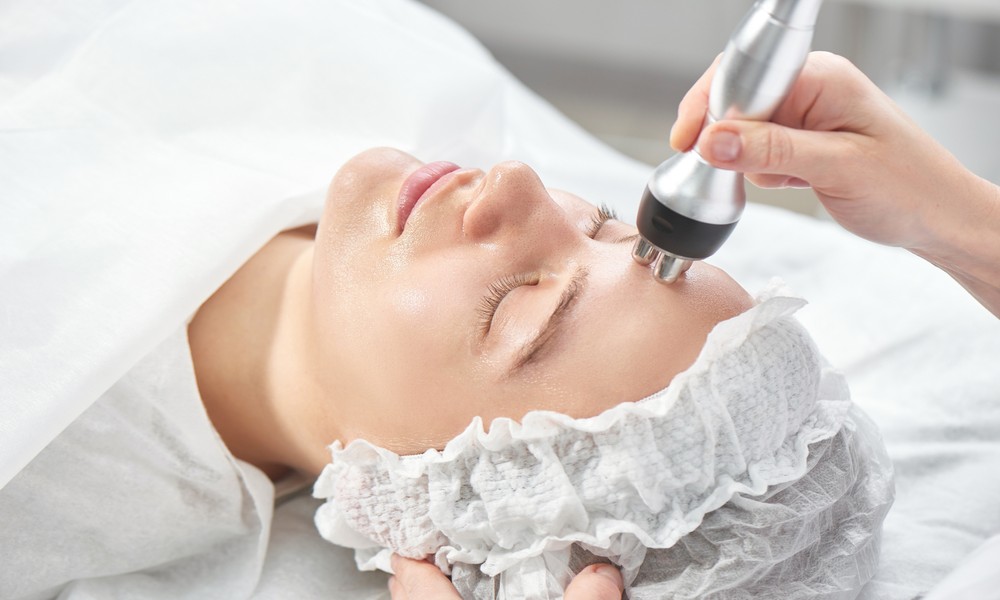
The desire for firmer, more youthful skin rarely fades, but the appetite for invasive procedures certainly has. Newer technologies like multifrequency radiofrequency (RF) devices are redefining what’s possible in non-surgical skin tightening, offering natural-looking results with minimal hassle.
Understanding Multifrequency RF Technology
What Is Radiofrequency (RF) Skin Treatment?
RF skin treatments harness controlled radiofrequency energy to gently heat deeper skin layers. This thermal effect stimulates collagen production and tightens existing fibers, leading to improved firmness and smoother texture. Unlike lasers that target surface pigmentation, RF focuses on the supportive structures lurking beneath the skin’s surface.
How Multifrequency RF Differs from Single-Frequency Systems
Traditional single-frequency RF devices work at one energy level, limiting their reach to a specific skin depth. Multifrequency systems, like the Korean-developed Xerf, switch between higher and lower frequencies to penetrate multiple layers of tissue. This adaptability means both superficial laxity and deeper structural concerns can be addressed in one treatment, something single-frequency machines simply cannot achieve.
The Science Behind Collagen Remodeling and Skin Tightening
The magic of RF comes from controlled heating. When skin reaches certain temperatures, existing collagen fibers contract, and the body kicks off a healing response that produces new collagen (a process called neocollagenesis). Over weeks, this results in progressive tightening, increased elasticity, and a visible lifting effect. Multifrequency devices enhance this process by targeting distinct tissue depths, ensuring more thorough, sustained results.
Key Features of Multifrequency RF Devices
Monopolar vs. Bipolar RF: Depth and Energy Delivery
Monopolar RF, used in Xerf, delivers energy deeper into the skin by employing a single electrode and a grounding pad. This contrasts with bipolar systems, which pass energy between two closely placed electrodes, suited more for surface-level treatments. Deeper energy penetration means more substantial tightening, especially in areas where sagging is more pronounced.
The Role of Multifrequency Energy in Targeting Multiple Skin Layers
By varying frequencies, multifrequency RF can precisely deliver energy to both the dermis and subcutaneous layers, customizing the effect for different skin thicknesses and areas. For example, the face may need delicate surface tightening, while the jawline and neck benefit from deeper remodeling.
Innovations in Comfort: Cooling Systems and Pain Management
Advanced devices now feature integrated cooling systems (like Advanced Integrated Cryogen Delivery) that protect the epidermis while energy heats the deeper layers. This dual action reduces the risk of burns and discomfort, making treatments not only safer but genuinely comfortable. Most patients describe the sensation as warm, with no need for anesthesia or numbing creams.
Comparing Multifrequency RF to Other Skin Tightening Technologies
Thermage, Sofwave, and Ultherapy: Similarities and Differences
While all these devices aim for firmer skin through non-invasive means, their methods differ. Here’s how they stack up:
| Technology | Energy Type | Depth Targeted | Comfort Features | Downtime |
|—————|——————–|——————–|—————————-|———-|
| Thermage | Monopolar RF | Dermis/Subdermis | Vibration, Cooling | Minimal |
| Sofwave | Ultrasound | Mid-Dermis | Surface Cooling | Minimal |
| Ultherapy | Focused Ultrasound | Deep connective | Imaging, Numbing options | Minimal |
| Xerf (XERF) | Multifrequency RF | Multiple layers | Cryogen Cooling, No Numbing| None |
Advantages of Multifrequency RF Over Traditional Methods
Multifrequency RF shines in versatility and customizability. By treating at various depths, it adapts to individual needs and offers more comprehensive rejuvenation for subtle laxity and pronounced sagging alike. In addition, the built-in cooling mechanisms make treatments comfortable and eliminate the need for any recovery period.
Limitations and Considerations of Each Technology
No device is perfect for everyone. RF-based systems like Xerf cannot replace surgical facelifts for severe skin laxity, and patients with specific medical devices or conditions should avoid RF altogether. Ultrasound-based technologies may be less effective for certain tissue thicknesses or deeper concerns.
Clinical Benefits of Multifrequency RF Treatments
Immediate and Long-Term Effects on Skin Elasticity and Firmness
Many notice a subtle lifting effect immediately after their session, with significant changes unfolding over several weeks as new collagen forms. Results often peak at two to three months post-treatment and can last up to a year with maintenance.
Customizability for Different Skin Types and Treatment Areas
Modern RF devices accommodate a wide range of skin types and concerns. Whether it’s tightening the jawline, smoothing the neck, or firming the abdomen, settings can be tailored for optimal safety and effectiveness.
Safety Profile and Suitability: Who Benefits Most?
Multifrequency RF is ideal for those with mild to moderate skin laxity, early signs of aging, or who wish to prevent sagging before it starts. It’s also suitable for post-pregnancy or post-weight loss skin. However, a thorough consultation is essential to rule out contraindications like active infections or metal implants.
Treatment Protocols and Patient Experience
A typical protocol involves two sessions spaced about a month apart, with each appointment lasting sixty to ninety minutes. The procedure is typically pain-free, and patients can return to daily activities immediately, making it an appealing choice for busy lifestyles.
Addressing Common Concerns and Contraindications
Built-in safety systems, such as real-time temperature monitoring and continuous cooling, minimize risks of burns or discomfort. Those who are pregnant, breastfeeding, or have implanted devices should avoid RF treatments until cleared by a medical professional.
The Future of Skin Rejuvenation with Multifrequency RF
With continuing advancements, multifrequency RF is starting to integrate with other non-invasive procedures, broadening its applications beyond facial tightening. Clinics recognized for innovation, including those highlighted by resources like Clinique Anti Aging Sculptra, are leading the way in offering these advanced solutions.
From improved patient comfort to long-lasting results, multifrequency RF treatments are setting a new standard for non-surgical rejuvenation. The future remains bright for those seeking effective, customizable skin tightening without going under the knife.
