


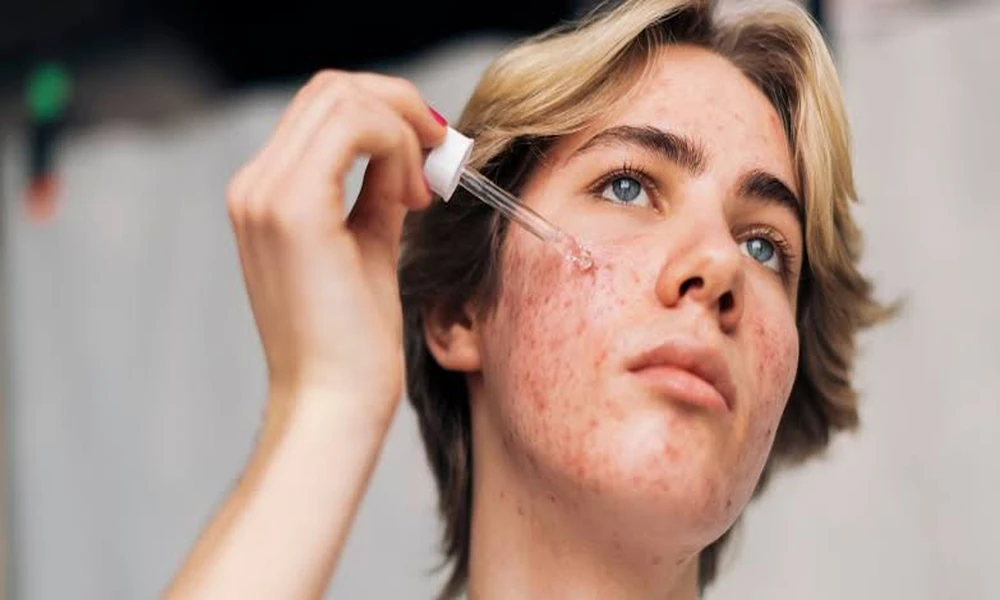
A breakout often begins as a small bump that seems easy to ignore. A few days later, it becomes red, swollen, and impossible not to notice. Most conversations about acne stop there, focusing on the visible pimple itself. Yet the real story is often unfolding beneath the surface, long before a blemish appears and long after it fades.
What we see in the mirror is only one part of the process. Underneath the skin, a series of changes involving oil production, inflammation, bacteria, and skin-cell turnover can shape how acne develops and how the skin responds afterward. Understanding those hidden changes can make it easier to see why acne is sometimes so persistent.
Key Takeaways
- Acne involves changes beneath the skin before a breakout becomes visible.
- Excess oil and trapped skin cells can contribute to clogged pores.
- Inflammation plays a major role in the appearance of acne.
- Not all acne follows the same pattern or affects the skin equally.
- The skin may continue reacting even after a blemish appears to heal.
- Consistent skincare habits often support healthier-looking skin over time.
Before a Breakout Reaches the Surface
Many people assume acne starts when they notice a pimple. In reality, the process often begins earlier.
Inside the pore, excess oil and dead skin cells can gradually accumulate. As space becomes restricted, the environment changes. What looks like a sudden breakout may have been developing quietly for days or even weeks.
This hidden stage explains why acne can sometimes feel unpredictable. The skin may appear calm one day, only for several blemishes to emerge shortly afterward. Much of the activity was already taking place beneath the surface before any visible signs appeared.
Inflammation Shapes What You See
A clogged pore alone does not always create an angry-looking breakout. Inflammation is often what transforms a small blockage into a noticeable blemish.
When the skin detects irritation, it responds by increasing blood flow and activating protective processes. This reaction can lead to redness, tenderness, and swelling.
The degree of inflammation can vary significantly. Some blemishes remain small and relatively mild. Others become deeper, more painful, and take longer to settle. Often, the severity of a breakout is linked less to the blockage itself and more to how strongly the skin reacts to it.
The Growing Interest in Light-Based Care
For some individuals, skincare discussions extend beyond cleansers and moisturizers. The science of acne involves more than cleansers and creams, which is why red and blue light therapy is explored within conversations about inflammation and overall skin wellbeing. Rather than replacing established acne care, it is generally viewed as one element within a broader approach to supporting overall skin health.
The Chain Reaction inside the Pore
A single clogged pore can trigger a series of events that affect surrounding tissue. As pressure builds, the pore wall may become stressed. The contents can spread into nearby skin, increasing irritation and encouraging a stronger inflammatory response. This helps explain why some blemishes seem much larger than the original blockage that started them.
The skin is not simply reacting to what is visible. It is responding to a complex chain of events happening at a microscopic level.
Why Acne Can Leave Lasting Evidence
Even after a breakout improves, the skin may continue working to restore balance. Inflammation can influence pigment-producing cells, leading to lingering red or dark marks. In some cases, deeper inflammation may affect the skin’s structure, contributing to textural changes.
This is why two people with similar-looking acne can experience very different recovery timelines. Factors such as skin tone, genetics, inflammation levels, and skincare habits all influence what remains after a breakout.
The visible blemish may be temporary, but the skin’s recovery process often continues long after it disappears.
More Than an Oil Problem
Acne is frequently described as an issue of excess oil. While oil production plays a role, the condition is far more complex. Skin-cell turnover, inflammation, hormones, environmental influences, and individual skin characteristics all contribute to how acne develops. Focusing on only one factor can oversimplify what is happening beneath the surface.
This complexity is one reason why a single solution rarely works for everyone. What helps one person’s skin may not have the same effect for someone else.
Looking Beyond the Visible Spot
A pimple is often the most noticeable part of acne, but it represents only the final stage of a much larger process. Beneath the surface, the skin is constantly responding to changing conditions, balancing oil production, renewing cells, and managing inflammation.
Understanding these hidden processes can change how acne is viewed. Instead of seeing a breakout as an isolated event, it becomes easier to recognize it as part of an ongoing interaction between the skin and its environment.
The next time a blemish appears, it may be worth remembering that the visible spot is only a small piece of a much bigger story unfolding beneath the surface.
