


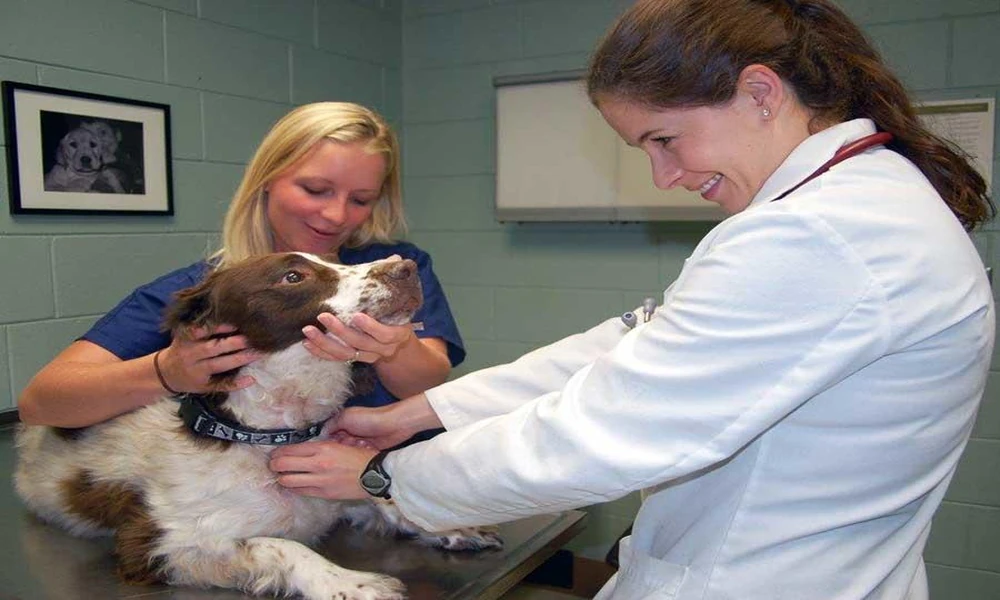
Cancer treatment has undergone a quiet revolution over the past decade, and the beneficiaries are not just human patients. Veterinary oncology has closely followed advances in human medicine, particularly in the field of immunotherapy, which harnesses the body’s own immune system to recognize and destroy cancer cells. For pet owners facing a cancer diagnosis in their dog or cat, understanding these parallel developments offers both hope and practical treatment options that were unavailable a generation ago.
The Science Behind Immunotherapy
Traditional cancer treatments-surgery, chemotherapy, and radiation-work by directly attacking tumors. Immunotherapy takes a different approach: it trains the immune system to identify cancer cells as foreign invaders and mount a sustained attack. This distinction matters because cancer cells often evade detection by mimicking normal cells or suppressing immune responses. Checkpoint inhibitors, monoclonal antibodies, and cancer vaccines each target different aspects of this evasion strategy.
In veterinary medicine, melanoma vaccines for dogs represent one of the earliest successes. Approved in 2010, the canine melanoma vaccine stimulates an immune response against a protein found on melanoma cells. Dogs with oral melanoma treated with this vaccine alongside surgery have shown improved survival times compared to surgery alone. The vaccine does not work for every patient, but it demonstrates how immunotherapy can extend quality time with minimal side effects compared to chemotherapy protocols.
Comparative Oncology: What Pets Teach Us About Human Cancer
Dogs develop cancer at rates similar to humans, and their cancers often share genetic and biological characteristics with human malignancies. This similarity has made dogs valuable partners in comparative oncology research. Clinical trials for new immunotherapy drugs frequently include both human and canine patients, allowing researchers to study tumor response, immune activation, and side effects in parallel. Osteosarcoma, lymphoma, and hemangiosarcoma in dogs have all contributed data that has informed human trials.
The compressed lifespan of dogs also offers a practical research advantage. A therapy that shows effectiveness over two years in a dog may predict similar outcomes over a decade in humans. This accelerated timeline helps researchers identify promising treatments faster. Pet owners who enroll their animals in these trials gain access to cutting-edge therapies, while contributing to knowledge that benefits both species. The ethical framework is clear: treatments offered in trials must meet the same welfare standards as approved therapies, and owners must provide informed consent.
Practical Considerations for Pet Owners
Immunotherapy is not universally available or appropriate for every cancer case. Geographic location matters-specialized veterinary oncology centers in urban areas typically offer more options than general practices. Cost is another factor. A course of melanoma vaccine may range from several hundred to over a thousand dollars, while newer monoclonal antibody treatments can cost significantly more. Pet insurance policies vary in their coverage of cancer treatments, and owners should review terms carefully before starting therapy.
Veterinarians assess candidates for immunotherapy based on cancer type, stage, and the pet’s overall health. Some tumors respond better than others, and immunotherapy often works best in combination with surgery or radiation rather than as a standalone treatment. Side effects are generally milder than with chemotherapy-lethargy, fever, and injection site reactions are most common-but immune-related complications can occur. A veterinary oncologist will outline expected outcomes, alternative treatments, and realistic timelines for decision-making.
Human Cancer Immunotherapy Infrastructure
While veterinary oncology has made significant strides, human medicine has developed a broader immunotherapy toolkit with applications across many cancer types. Checkpoint inhibitors, CAR T-cell therapy, and personalized cancer vaccines have moved from experimental to standard care for conditions like melanoma, lung cancer, and certain blood cancers. Access to these treatments depends on hospital infrastructure, oncology specialization, and regional healthcare systems. For patients in regions with advanced medical facilities, such as those seeking care at a cancer immunotherapy hospital, treatment options include the full range of approved immunotherapies as well as opportunities to participate in clinical trials testing next-generation approaches. The multidisciplinary teams at these centers evaluate each case individually to determine whether immunotherapy alone, or in combination with other modalities, offers the best chance of disease control.
The expansion of telemedicine has also changed how patients access oncology expertise. Remote consultations can connect patients with specialists who review imaging, pathology, and treatment history to provide second opinions or ongoing monitoring. This is particularly valuable for patients managing long-term cancer care who need periodic adjustments to their treatment plan. Digital health platforms have made it easier for patients to track symptoms, report side effects, and maintain communication with their care teams between in-person visits. For more on how telemedicine is transforming healthcare delivery, digital health platforms continue to expand care access across both human and veterinary medicine.
The Broader Medical Landscape
Oncology represents just one branch of the medical specialties that have benefited from immunological research. Advances in understanding immune function have implications for autoimmune diseases, transplant medicine, infectious diseases, and vaccine development. Medical students and residents exploring career paths encounter an expanding array of subspecialties, each with distinct training pathways and practice environments. Those interested in the full scope of medical career options can explore resources that detail every medical specialty and its unique focus, from primary care fields to highly technical surgical and diagnostic disciplines.
Making Informed Treatment Decisions
Whether the patient is human or animal, cancer treatment decisions require balancing medical evidence with individual circumstances. Not every eligible patient will respond to immunotherapy, and some may experience better outcomes with conventional treatments or supportive care. Open communication between patients-or pet owners-and healthcare providers remains essential. Questions to ask include: What is the goal of this treatment? What are the expected side effects? How will we measure success? What happens if this treatment does not work?
For pet owners, quality of life considerations are paramount. A treatment that extends survival by weeks but causes significant distress may not align with an owner’s goals. Veterinary oncologists are trained to have these conversations and support decisions that prioritize the animal’s welfare. In human medicine, oncologists similarly guide patients through complex choices, weighing survival benefits against treatment burden and personal values.
Looking Forward
The next decade will likely bring more precise immunotherapies tailored to individual tumor genetics and immune profiles. Liquid biopsies that detect circulating tumor DNA promise earlier detection and monitoring. Combination therapies that pair immunotherapy with targeted drugs or radiation are under investigation. For both veterinary and human patients, the trajectory points toward personalized medicine that matches specific treatments to specific cancers rather than applying broad protocols.
This convergence of human and veterinary oncology benefits both fields. Research institutions that conduct comparative oncology trials accelerate discoveries that save lives across species. Pet owners gain access to therapies that extend their time with beloved animals, while their participation advances science. The mutual benefit exemplifies how medical progress often emerges from unexpected partnerships and shared challenges.
